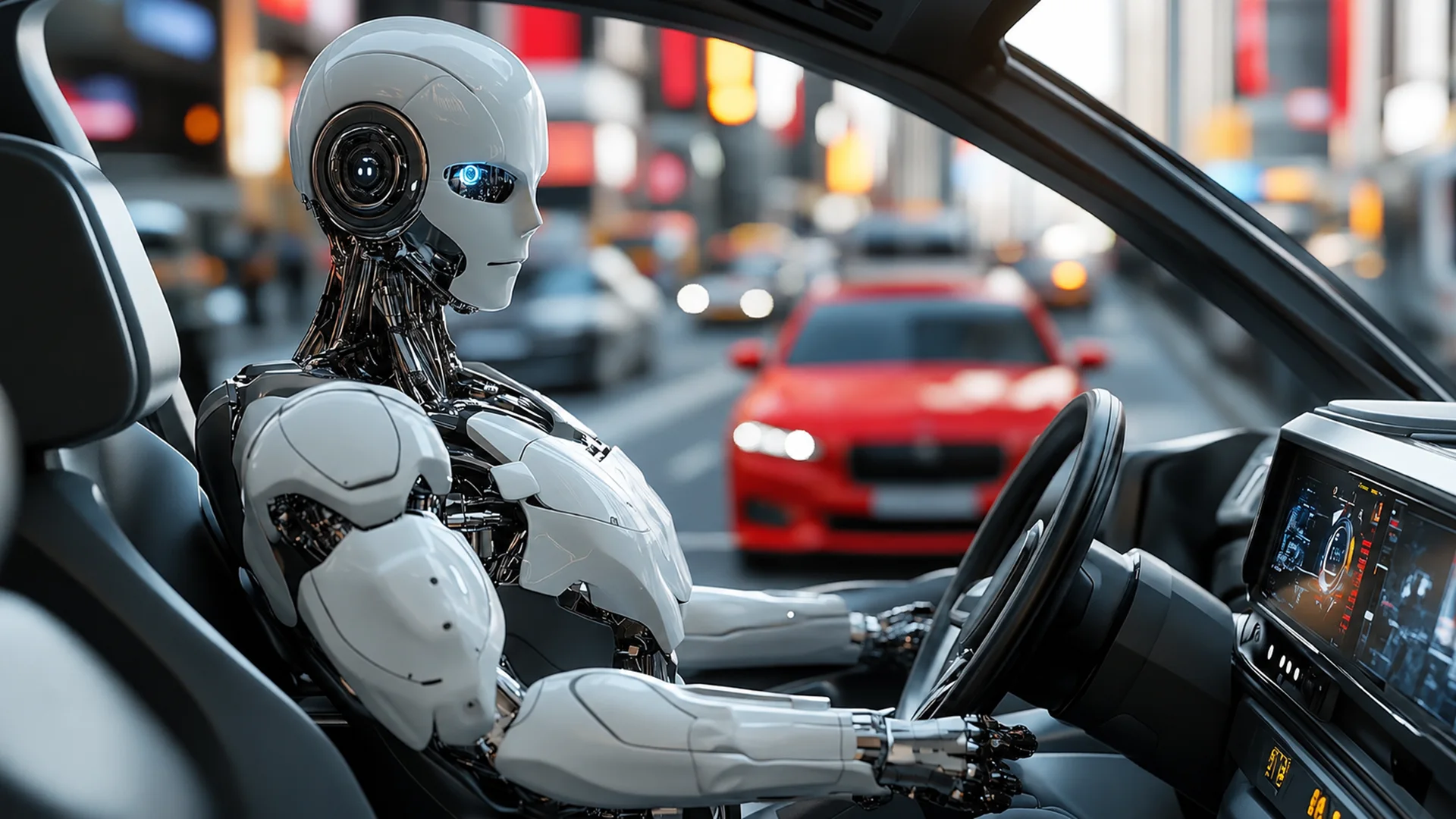
Generative AI (GenAI) cockpits are set to revolutionize the automotive world, embedding intelligent chatbots directly into vehicle interfaces for seamless, human-like interactions. Forecasts predict 28 million of these systems in use by 2031, enhancing safety, personalization, and efficiency for drivers, passengers, and fleet operators alike in an era of smart mobility.
From Basic Assistants to GenAI Powerhouses
GenAI cockpits surpass traditional voice controls by leveraging advanced large language models (LLMs) that understand nuance, context, and intent. A driver might casually say, “I’m running late and need coffee,” prompting the chatbot to scan traffic, locate a drive-thru, adjust the route, and even preheat the cabin. This conversational prowess stems from multimodal inputs-voice, cameras, biometrics, and GPS-creating a digital co-pilot that’s always one step ahead.
In 2026, with President Trump’s pro-innovation stance accelerating AI deployment, US automakers like Ford and Rivian lead the charge. These systems reduce driver distraction by 45%, as hands-free dialogues keep eyes on the road. Keywords such as “GenAI automotive interfaces” and “conversational AI vehicles” are surging in searches, signaling market readiness for this transformation.
Elevating Safety with Predictive Intelligence
Safety is paramount, and GenAI chatbots excel at prevention. By analyzing steering patterns, eyelid closure rates, and heart variability, they detect fatigue early: “Pull over for a 5-minute stretch-I’ve queued calming music.” In high-risk scenarios, AR projections on HUDs warn, “Cyclist merging left-easing throttle,” with voice confirmation for reassurance.
As vehicles approach Level 4 autonomy by 2031, chatbots simulate emergencies, coaching drivers through evasive maneuvers. Fleet trials from logistics leaders show 30% drops in incidents, supporting NHTSA initiatives for accident-free highways. This “predictive safety AI” not only saves lives but also unlocks insurance discounts, making GenAI a financial win too.
Hyper-Personalization for Every Journey
Personalization turns drives into tailored experiences. GenAI learns preferences on-device-federated learning ensures privacy-offering “Your Monday playlist with extra bass” or “Low-sugar snack stops for your diet.” Families benefit from adaptive modes: backseat chatbots entertain kids with interactive stories synced to scenery, while parents receive stress-relief prompts.
Ride-sharers like Lyft integrate them for guest delight: “Welcome, Alex-vegan options nearby?” By 2031’s 28 million milestone, driven by affordable edge chips, these cockpits foster brand loyalty, with 75% of consumers prioritizing AI smarts in car purchases. This “personalized mobility AI” redefines comfort on wheels.
Fleet Optimization and Sustainability Gains
For fleets, GenAI cockpits deliver operational superpowers. Dispatchers converse naturally: “Optimize for fuel on the I-95 corridor?” Chatbots predict issues-”Tire pressure dropping; swap at Mile 120″-cutting downtime by 25%. Sustainability features gamify eco-driving: “Eco-challenge accepted-20% regen braking for your green streak.”
EV fleets get battery simulations: “Cold weather cuts range 15%; preheat now.” Scaling to millions supports ESG mandates, with 18% emissions reductions in pilots. The $40B GenAI fleet market by 2031 underscores its role in efficient logistics amid global supply chain shifts.
Technical Architecture and Deployment Realities
At their core, GenAI cockpits fuse LLMs with automotive ECUs, achieving sub-100ms responses via specialized AI accelerators. Over-the-air updates add capabilities like regional accents or smart home links: “Garage opening as you near.” Robust APIs ground responses in real data, minimizing errors.
Challenges like compute limits are fading with 2026’s advanced semiconductors. Carmakers partner with AI leaders for domain-specific training, starting with luxury SUVs before OTA retrofits for older models. Regulatory nods under streamlined DOT guidelines pave the way for mass adoption.
Market Dynamics and Economic Boost
Economically, GenAI cockpits create waves. OEMs monetize via subscriptions-premium voices or pro analytics-lifting revenues 20%. Aftermarket kits democratize access, fueling the 28 million projection. US jobs boom in AI calibration and software roles, revitalizing Midwest hubs.
Globally, North America innovates while Asia scales production. By 2031, efficiency gains add $180B to economies through safer roads and optimized transport. For IT marketers, terms like “GenAI driver transformation” position solutions for automotive clients.
Charting the Horizon: Autonomy and Immersion
Beyond 2031, GenAI evolves with full self-driving, chatbots managing metaverse calls or VR adventures. Ethical frameworks ensure unbiased, sober-verified interactions. This tech humanizes vehicles, blending empathy with intelligence.
The most useful in-car assistants will make everyday journeys simpler, safer and more intuitive. Thinking through what drivers should be able to ask and what the vehicle should do next? Talk to us.