Hyper-personalization is redefining the automotive landscape in 2026, leveraging AI to craft driving experiences tailored to individual drivers through dynamic profiles, biometric feedback, and AR glasses integration. This shift aligns perfectly with software-defined vehicles (SDVs), where over-the-air updates and centralized computing enable real-time adaptations. With 80% of enterprises adopting GenAI applications, OEMs are racing to deliver these features, and Ferfier Technologies stands ready as a key enabler through cutting-edge IoT-AI integrations.
Driver Profiles: The Foundation of Personalization
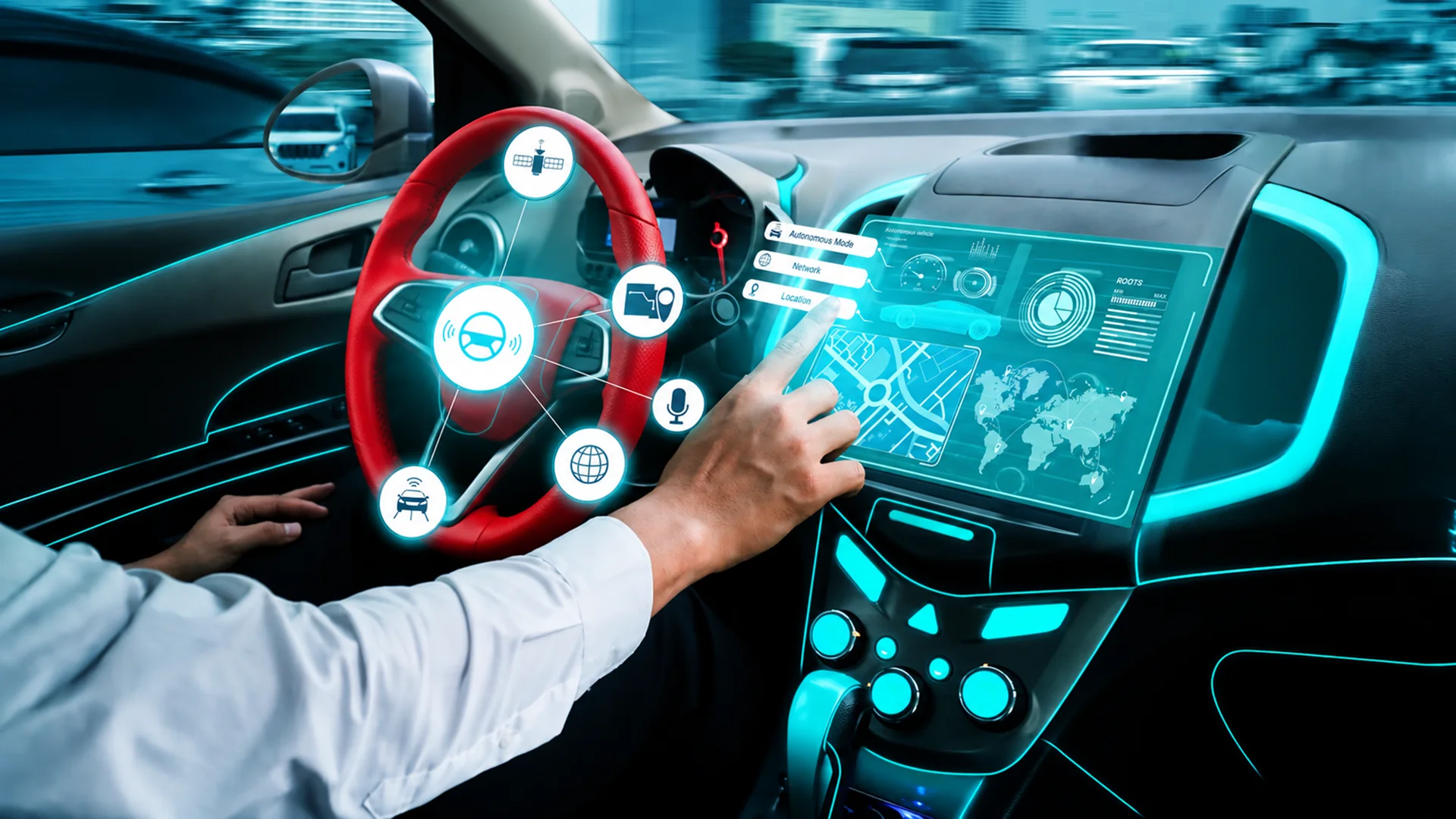
AI-driven driver profiles form the core of hyper-personalization, capturing habits, preferences, and behaviors to create a digital twin of each user. Upon entering the vehicle, facial recognition or a quick voice command activates your profile, instantly adjusting seat position, mirror angles, climate control, and even ambient lighting to your exact specifications. For frequent commuters, the system learns routes and times, preemptively suggesting podcasts or traffic-optimized paths.
In 2026, these profiles evolve with machine learning, incorporating data from connected ecosystems like smartwatches and home devices. A parent might have a “family mode” that auto-enables rear-seat entertainment and child-safety locks, while a fitness enthusiast gets post-gym ventilation boosts. This seamless handover between devices exemplifies SDV architecture, where software layers abstract hardware differences across models. Ferfier’s IoT platforms excel here, fusing vehicle sensors with cloud analytics to build robust, scalable profiles for OEMs seeking competitive edges in user retention.
Biometric Adjustments: Intuitive and Adaptive Comfort
Biometrics take personalization to a physiological level, using in-cabin cameras, steering-wheel sensors, and seat-embedded detectors to monitor heart rate, posture, stress levels, and even eye strain. In real time, the AI cockpit responds to elevated pulse triggers calming aromatherapy diffusion or adaptive cruise control easing to reduce anxiety on highways.
For long-haul drivers, fatigue detection via micro-movements in steering prompts subtle interventions like seat massages or hydration reminders synced to your smart bottle. EVs benefit doubly, with biometrics optimizing regenerative braking based on grip strength or adjusting HVAC to maintain ideal cabin oxygen for alertness. By 2026, 80% enterprise GenAI adoption accelerates this trend, as seen in pilots from BMW and Volvo, where biometric tweaks cut driver error by 28%. Ferfier empowers OEMs with AI-IoT middleware that processes this sensitive data securely, ensuring compliance while unlocking wellness-focused features that differentiate premium brands.
AR Glasses: Augmented Experiences on the Move
AR glasses integration elevates hyper-personalization by overlaying digital information onto the real world, transforming windshields and visors into interactive canvases. Paired with SDVs, lightweight AR specs like those unveiled at CES 2026 project navigation arrows precisely onto roads, highlight pedestrian intents, or display floating entertainment for passengers without distracting the driver.
Imagine glancing at your AR lenses to see calorie-counted drive-thru menus tailored to your diet profile, or virtual mirrors showing real-time outfit adjustments via cabin lighting. For service techs, AR guides remote diagnostics with holographic part overlays, slashing repair times by 40%. Ferfier’s IoT-AI solutions bridge AR hardware with vehicle ECUs, enabling OEMs to deploy panoramic HUDs and glasses-compatible apps that scale across fleets. This convergence, powered by edge computing, positions 2026 as the year AR becomes standard in luxury cockpits, enhancing safety and immersion.
Linking to Software-Defined Vehicles (SDVs)
SDVs are the backbone, shifting from hardware-centric designs to software-orchestrated platforms where personalization lives in the cloud. Centralized compute zones process GenAI inferences, pushing OTA updates for new features like seasonal profile tweaks or AR theme packs. This agility lets OEMs iterate rapidly-adding biometric health monitoring one month, AR gaming the next-without physical recalls.
Market stats underscore the momentum: 80% of enterprises embrace GenAI apps for such innovations, driving a projected $250B SDV market by 2030. Ferfier Technologies shines as an enabler, offering OEMs plug-and-play IoT-AI integrations that unify sensors, profiles, and AR streams into cohesive experiences. From prototype to production, Ferfier’s SharePoint-powered dashboards help automotive clients visualize data flows, ensuring hyper-personalization delights end-users while streamlining compliance and monetization via subscriptions.
Challenges and the Path Forward
Implementation hurdles like data privacy and latency persist, but federated learning and 5G mitigations address them. Ethical AI ensures unbiased profiles, avoiding demographic pitfalls. Ferfier mitigates these via secure edge gateways, empowering OEMs to lead responsibly.
Looking to late 2026, expect hyper-personalization in 60% of new vehicles, blending profiles, biometrics, and AR into “empathy engines” that anticipate needs. For mobility marketers, this is prime content: highlight Ferfier’s role in turning data into delight.
The next step in personalization is making each journey feel more relevant while keeping the driver’s trust at its center. Exploring what that could mean for your customers? Talk to us.